Is Your Garden Soil Ready? Simple Tests for Best Growth in 2025.
Starting an organic kitchen garden at home is both exciting and rewarding. But before you plant those seeds, it’s important to get your soil in good shape. Healthy soil is the backbone of any productive garden, especially when you’re aiming for organic farming. Whether you’re a beginner or have been gardening for years, these tips will help you prepare your soil for a thriving kitchen garden.
Key Takeaways
- Healthy soil is essential for a productive kitchen garden and successful home gardening.
- Adding compost or aged manure improves soil quality and provides nutrients for organic farming.
- Testing your soil’s pH and nutrient levels can guide you in making necessary amendments.
- Improving soil structure through aeration and organic matter helps with drainage and root growth.
- Rotating crops and using cover crops maintain soil health and fertility over time.
Understanding the Basics of Soil Preparation
Why Soil Preparation is Crucial for Organic Farming
Prepping your soil before planting is like setting the stage for a great performance—it’s the foundation of success. Healthy soil equals healthy plants, and that’s especially true for organic farming, where you rely on natural processes to nurture your crops. Without proper preparation, your plants might struggle to grow, or worse, fail entirely.
Here’s why soil prep matters:
- It improves the soil’s ability to hold water and nutrients.
- It creates a better environment for root development.
- It reduces the risk of pests and diseases by promoting plant vigor.
Think of it as giving your garden the best possible start.
Key Components of Healthy Garden Soil
Healthy soil isn’t just dirt—it’s a living, breathing ecosystem. To get it right, focus on these three components:
- Texture: The balance of sand, silt, and clay determines how well soil drains and holds nutrients. Loamy soil, a mix of all three, is ideal.
- Organic Matter: Adding compost or aged manure enriches the soil and boosts microbial activity, which helps plants thrive. For example, incorporating nutrient-rich organic matter like compost can significantly improve poor soil quality.
- pH Balance: Most vegetables prefer a slightly acidic to neutral pH (around 6.0–7.0). Testing your soil ensures it’s in the right range.
When these elements are in harmony, your garden will flourish.
Common Soil Types and Their Characteristics
Understanding your soil type is step one in tailoring it to your plants’ needs. Here’s a quick rundown of the main types:
| Soil Type | Characteristics | Challenges | Solutions |
|---|---|---|---|
| Sandy | Drains quickly, warms up fast | Poor nutrient retention | Add organic matter to improve texture |
| Clay | Holds water, rich in nutrients | Drains poorly, compacts easily | Mix in coarse sand and compost |
| Silt | Smooth texture, retains moisture well | Can become waterlogged | Ensure proper drainage |
| Loam | Balanced mix of sand, silt, and clay | Few issues, ideal for gardening | Maintain with regular composting |
Each soil type has its quirks, but with the right amendments, you can make it work for your garden.
Incorporating Organic Matter for a Thriving Kitchen Garden
Benefits of Adding Compost and Aged Manure
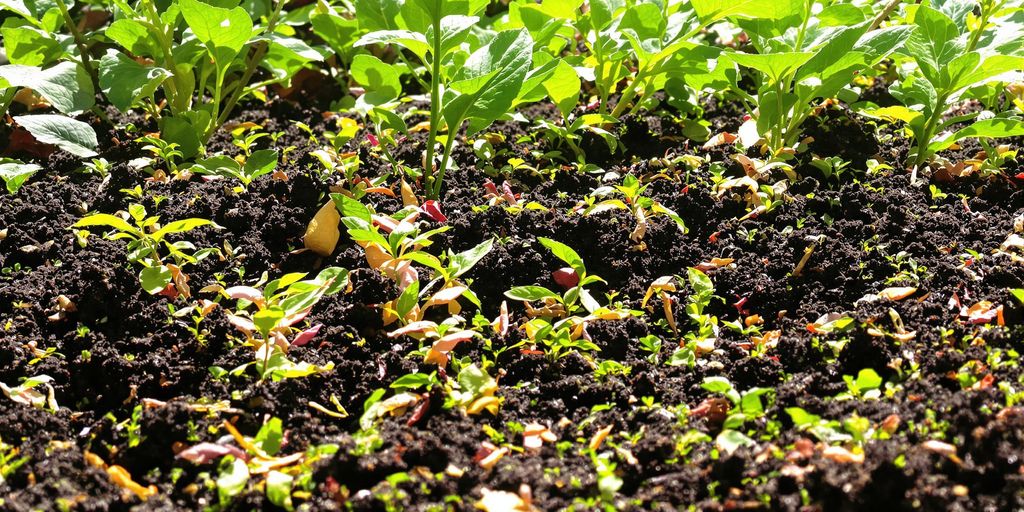
Adding organic matter like compost and aged manure is a game-changer for your garden soil. Compost, made from decomposed plant and animal materials, is packed with nutrients and holds moisture exceptionally well. It improves soil texture, making it easier for roots to grow and absorb nutrients. Aged manure, on the other hand, not only enriches the soil but also enhances its structure, helping it drain better while retaining essential moisture.
Here are some key benefits:
- Loosens compacted clay soil, improving drainage and aeration.
- Adds bulk to sandy soil, increasing its ability to hold water and nutrients.
- Provides a slow-release source of nutrients throughout the growing season.
How to Properly Mix Organic Matter into Soil
To get the most out of your organic amendments, you need to mix them in the right way. Start by spreading 2 to 3 inches of compost or aged manure over your garden bed. Then, use a garden fork or tiller to incorporate it into the top 6-8 inches of soil. For new gardens, aim to loosen the soil to at least 8 inches deep (12 inches is even better). This ensures that roots can grow freely and access the added nutrients.
Here’s a quick step-by-step guide:
- Clear the area of weeds and debris.
- Spread your organic matter evenly across the soil.
- Mix thoroughly, ensuring even distribution.
Avoiding Overuse of Organic Amendments
While organic matter is beneficial, too much of it can backfire. Overloading your soil with compost or manure can lead to excessive microorganism activity, which depletes nitrogen and disrupts soil pH. A good rule of thumb is to keep organic matter at about 25% of your soil mix. Also, avoid piling it on too thickly—2 to 3 inches is plenty for most gardens.
Remember, balance is key. Organic matter enriches your soil, but moderation ensures long-term fertility and stability.
For a variety of organic amendments, consider incorporating options like wood by-products, which can also enhance soil quality.
Testing and Amending Your Soil for Optimal Growth
Simple DIY Soil Testing Methods
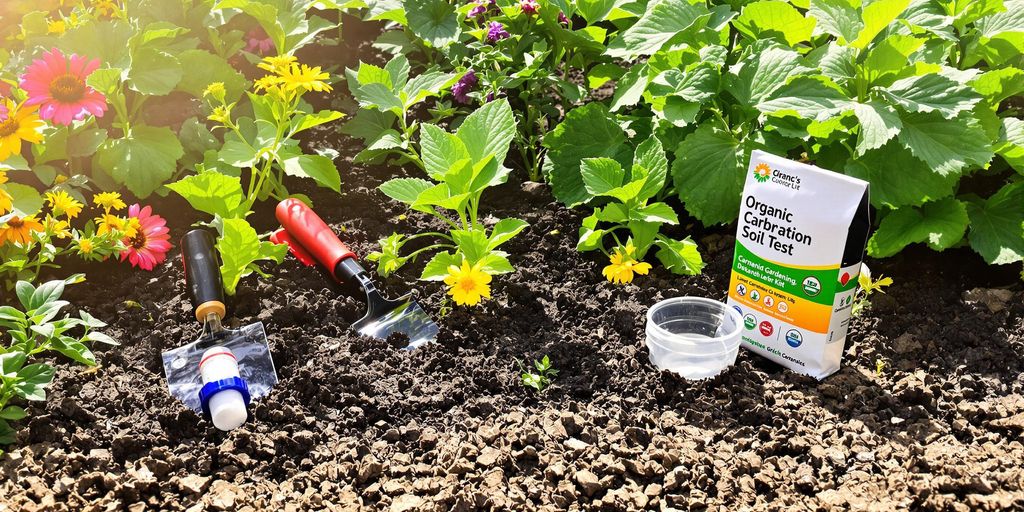
Testing your soil doesn’t have to be complicated. You can start with a simple DIY method to get a basic understanding of your soil’s condition. For instance:
- The Jar Test: Fill a clear jar halfway with soil, add water, and shake it up. Let it settle overnight. The layers will show the proportions of sand, silt, and clay.
- pH Test Strips: These are affordable and can give you a quick read on whether your soil is acidic, neutral, or alkaline.
- Observation: Sometimes, your plants can be the best indicators. If they’re struggling to grow or look unhealthy, your soil might be lacking nutrients or have the wrong pH.
For more precise results, consider sending a sample to a local lab or using a professional soil test kit.
Adjusting Soil pH for Fruits and Vegetables
Soil pH plays a big role in how well your plants can absorb nutrients. Most fruits and vegetables prefer a slightly acidic to neutral soil, around 6.0 to 7.0. Here’s how to adjust it:
- To lower pH (make it more acidic), add sulfur or organic matter like pine needles.
- To raise pH (make it more alkaline), use agricultural lime or wood ash sparingly.
- Always retest after a few weeks to see if the pH has stabilized.
Essential Nutrients for a Productive Kitchen Garden
Healthy soil is like a balanced diet for your plants. It needs the right mix of nutrients to keep your garden thriving. The three main nutrients are:
| Nutrient | Role in Plant Growth | Common Sources |
|---|---|---|
| Nitrogen (N) | Promotes leafy growth | Compost, aged manure |
| Phosphorus (P) | Encourages root and flower growth | Bone meal, rock phosphate |
| Potassium (K) | Supports overall plant health | Wood ash, kelp meal |
Other micronutrients, like calcium and magnesium, are also important but needed in smaller amounts. If your plants show signs of deficiency, like yellowing leaves or stunted growth, it’s a clue to check your soil’s nutrient levels.
A little effort in testing and amending your soil can go a long way. Healthy soil is the foundation of a productive kitchen garden, so take the time to get it right!
Techniques to Improve Soil Structure and Drainage
Loosening Compacted Soil for Better Root Growth
Compacted soil can suffocate plant roots, making it hard for them to access water and nutrients. To fix this, start by aerating the soil. You can use a garden fork to poke holes across the area or rent an aerator for larger spaces. Breaking up compacted soil allows roots to breathe and grow freely. After aeration, mix in organic matter like compost to keep the soil loose and nutrient-rich. Avoid stepping on freshly loosened soil to prevent re-compaction.
Using Raised Beds to Control Soil Quality
Raised beds are a game-changer for improving soil structure. By building a bed, you get to control the soil mix completely. Fill it with a blend of topsoil, compost, and well-rotted manure. This not only improves drainage but also prevents waterlogging during heavy rains. Raised beds warm up faster in spring, giving you a head start on planting. Plus, they reduce the risk of soil erosion, keeping everything in place.
Balancing Clay and Sandy Soil Properties
Both clay and sandy soils have their quirks. Clay soil is dense and holds too much water, while sandy soil drains too quickly and lacks nutrients. To balance clay soil, work in fibrous materials like straw or fine bark mulch, along with 3–4 inches of compost. For sandy soil, add organic matter like coconut coir or peat moss to improve its water-holding capacity. The goal is to create a loamy texture that retains moisture without becoming soggy.
Improving soil structure takes time and patience, but the effort pays off with healthier plants and better yields. Start small, experiment, and adjust as needed to find what works best for your garden.
Seasonal Tips for Maintaining Soil Health
Preparing Soil in Fall for Spring Planting
Fall is the perfect time to get your soil ready for next year’s garden. Start by clearing out dead plants and debris, which can harbor pests and diseases over winter. Add a generous layer of organic matter, like compost or aged manure, to enrich the soil. This simple step can make a big difference in spring growth. If your area gets heavy rain or snow, consider covering your beds with a tarp or mulch to prevent erosion and nutrient loss.
Rotating Crops to Prevent Soil Depletion
Rotating crops is more than just switching plants around—it’s about maintaining balance in your soil. Certain plants, like tomatoes and peppers, can drain specific nutrients if grown in the same spot year after year. Instead, alternate heavy feeders with legumes or other nitrogen-fixing plants to naturally replenish the soil. Here’s a simple rotation plan:
- Start with leafy greens or root vegetables.
- Follow up with legumes, like beans or peas.
- End the cycle with fruiting plants, such as tomatoes or squash.
This keeps your soil healthier and reduces the risk of pests and diseases.
Replenishing Nutrients After Each Harvest
After harvesting, your soil is often left depleted of vital nutrients. To fix this, work in a layer of compost or leaf mold immediately after pulling your crops. A quick soil test can also help you decide if additional amendments, like bone meal or rock phosphate, are needed. Water the area well so nutrients can start breaking down and becoming available for the next planting season.
Healthy soil is the backbone of any thriving garden. Taking time to care for it seasonally ensures that your plants will reward you with robust growth and abundant harvests.
For more insights on improving garden soil health, check out methods like crop rotation and organic amendments to keep your garden thriving year-round.
Sustainable Practices for Long-Term Soil Fertility
Minimizing Soil Erosion in Your Garden
Preventing soil erosion isn’t just about keeping your garden tidy; it’s about protecting the foundation of your plants’ health. Erosion strips away the topsoil, which is often the richest layer, full of nutrients and organic material. To combat this, you can:
- Plant ground covers like clover or rye to hold soil in place.
- Use mulch to shield the soil from heavy rain or wind.
- Build terraces or contour rows on slopes to slow water runoff.
These steps not only keep your soil in place but also improve its overall structure and fertility.
The Role of Cover Crops in Organic Farming
Cover crops, sometimes called green manure, are a fantastic way to boost soil health naturally. Plants like clover, vetch, and oats are commonly used. Here’s why they’re great:
- They add organic matter to the soil when tilled under.
- Cover crops suppress weeds, reducing competition for your main crops.
- They help fix nitrogen in the soil, especially legumes like clover.
Planting cover crops during the off-season can give your soil a much-needed rest while still enriching it.
Reducing Reliance on Synthetic Fertilizers
Overusing synthetic fertilizers can harm your soil in the long run, disrupting its natural ecosystem. Instead, focus on organic options like compost, aged manure, or even homemade fertilizers. Here’s a quick comparison:
| Fertilizer Type | Benefits | Drawbacks |
|---|---|---|
| Organic | Improves soil structure, adds microbes | Slower nutrient release |
| Synthetic | Quick nutrient boost | Can cause nutrient imbalance |
By choosing organic methods, you’re feeding the soil, not just the plants, which leads to better long-term fertility.
Healthy soil isn’t just dirt; it’s a living ecosystem. Treating it with care ensures that your garden thrives for years to come.
Wrapping It Up
Starting an organic kitchen garden might seem like a lot of work, but trust me, it’s worth it. Prepping your soil the right way sets the stage for healthy plants and a bountiful harvest. Remember, it’s all about balance—adding organic matter, loosening the soil, and giving it time to settle before planting. Sure, it might take a few seasons to get your soil just right, but don’t stress. Gardening is a journey, not a race. Stick with it, and you’ll see the results in no time. Happy gardening!
Frequently Asked Questions
Why is soil preparation important for an organic kitchen garden?
Soil preparation helps create a healthy environment for plants by improving its structure, drainage, and nutrient levels. This ensures your fruits and vegetables grow strong and healthy.
What is the best way to add organic matter to garden soil?
You can add compost, aged manure, or leaf mold to your soil. Spread 2-3 inches of organic matter over the soil and mix it well to improve its quality.
How can I test my soil at home?
You can use simple DIY methods like a soil pH test kit or a jar test to check soil texture. These tests help you understand what your soil needs for better plant growth.
What should I do if my soil is too sandy or too clay-like?
For sandy soil, add organic matter to improve water retention. For clay soil, mix in compost or sand to improve drainage and loosen the texture.
How often should I replenish nutrients in my garden soil?
It’s best to add nutrients after each harvest or at least once a year. Compost and organic fertilizers are great options to keep the soil rich and healthy.
What are cover crops, and why are they useful?
Cover crops are plants grown to protect and enrich the soil. They prevent erosion, add organic matter, and improve soil fertility when tilled back into the ground.
